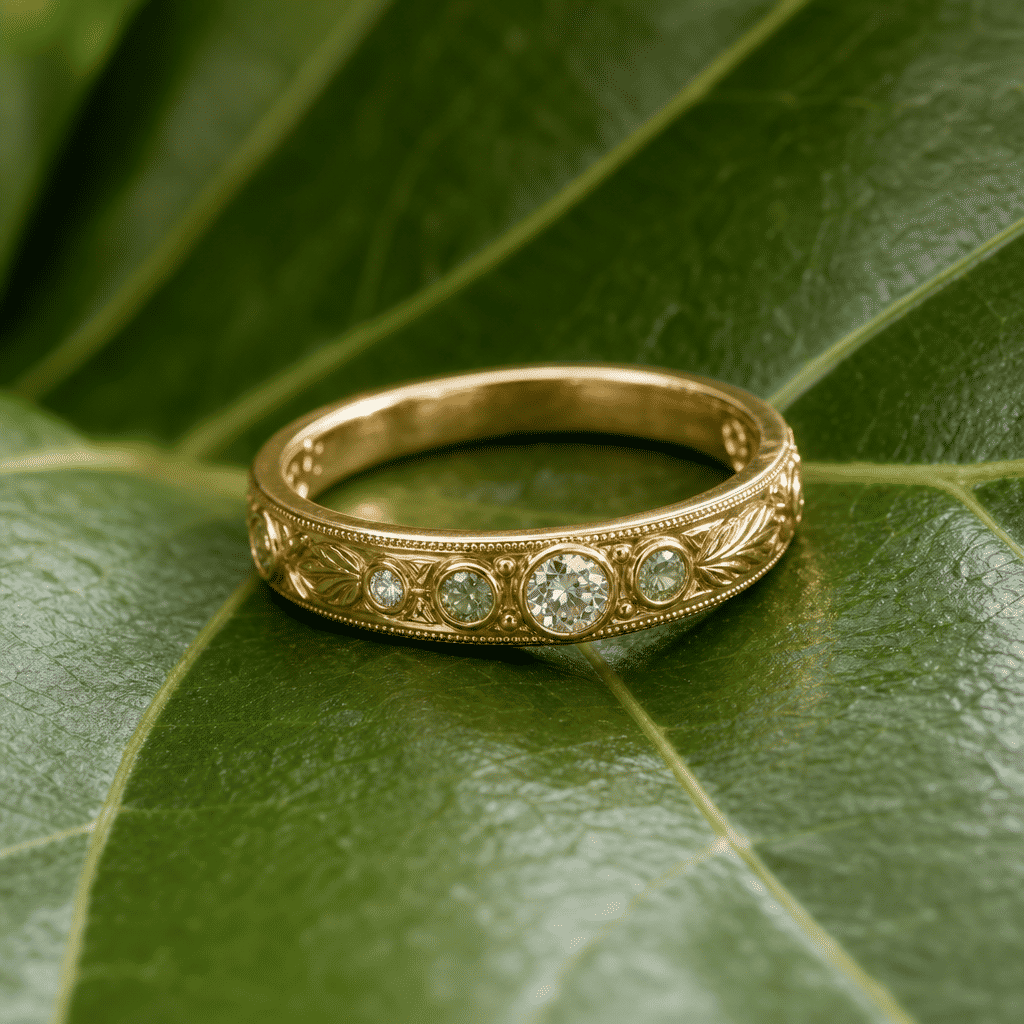
The jewelry industry, traditionally known for its opulence and charm, is undergoing a transformative shift towards sustainability. As consumers become more environmentally and ethically conscious, the demand for sustainable jewelry has surged, reshaping the way jewelers source materials, design, and produce their collections. This growing trend is not only redefining the industry but also fostering a new standard of mindful luxury.
At the heart of this movement is the quest to minimize environmental impact. Conventional jewelry production often involves practices that can lead to soil degradation, water contamination, and significant carbon emissions due to mining activities. Recognizing these challenges, many jewelry brands are adopting eco-friendly practices such as using recycled metals, lab-grown diamonds, and ethically sourced gemstones. These alternatives not only reduce the strain on natural resources but also ensure traceability and transparency within the supply chain.
Recycled metals, for instance, have become increasingly popular. By melting down existing gold, silver, or platinum, jewelers can create new pieces without the need for additional mining, thus lowering carbon footprints and eliminating the harsh environmental ramifications associated with traditional metal extraction. Similarly, lab-grown diamonds, which are chemically identical to their mined counterparts, offer a sustainable solution by avoiding the ecological and ethical issues linked with diamond mining.
Furthermore, many sustainable jewelry brands are committed to ethical sourcing, ensuring that the gemstones used in their creations are mined under fair labor conditions. This focus on ethical sourcing often involves establishing close partnerships with small-scale mines and cooperatives that adhere to strict labor and environmental standards. Such initiatives not only support local communities but also promote responsible mining practices.
The rise of sustainable jewelry is also inspiring a wave of innovative designs. Increasingly, designers are integrating unique, often overlooked materials such as reclaimed wood, shell, or even recycled glass into their creations. These materials add distinct texture and character to jewelry pieces, offering consumers an array of choices that align with their ethical beliefs.
Consumer awareness and involvement play crucial roles in propelling this sustainable movement forward. More buyers are actively seeking out brands that not only align with their style but also their values. Platforms such as social media have become powerful tools for education and advocacy, allowing consumers to share information about sustainable options and hold brands accountable.
In response, many established jewelers are expanding their offerings to include sustainable collections, while new, eco-conscious startups continue to emerge, offering products that appeal to both the fashion-forward and the ethically minded. Certifications and sustainability standards are also becoming more common, helping consumers make informed choices about their purchases.
In conclusion, the rise of sustainable jewelry marks a significant and promising shift in the industry. As eco-friendly practices and materials continue to gain traction, they pave the way for a future where luxury and sustainability coexist harmoniously. This movement not only challenges traditional norms but also champions a more responsible and conscious approach to fashion, benefiting the environment, industry, and society at large.